
Autumn food in San Sebastián: from the woods to the fish counter
Mushrooms in a hot pan, the last albacore and a good hake: let a local chef introduce you to autumn ingredients and invite you to cook them with him.
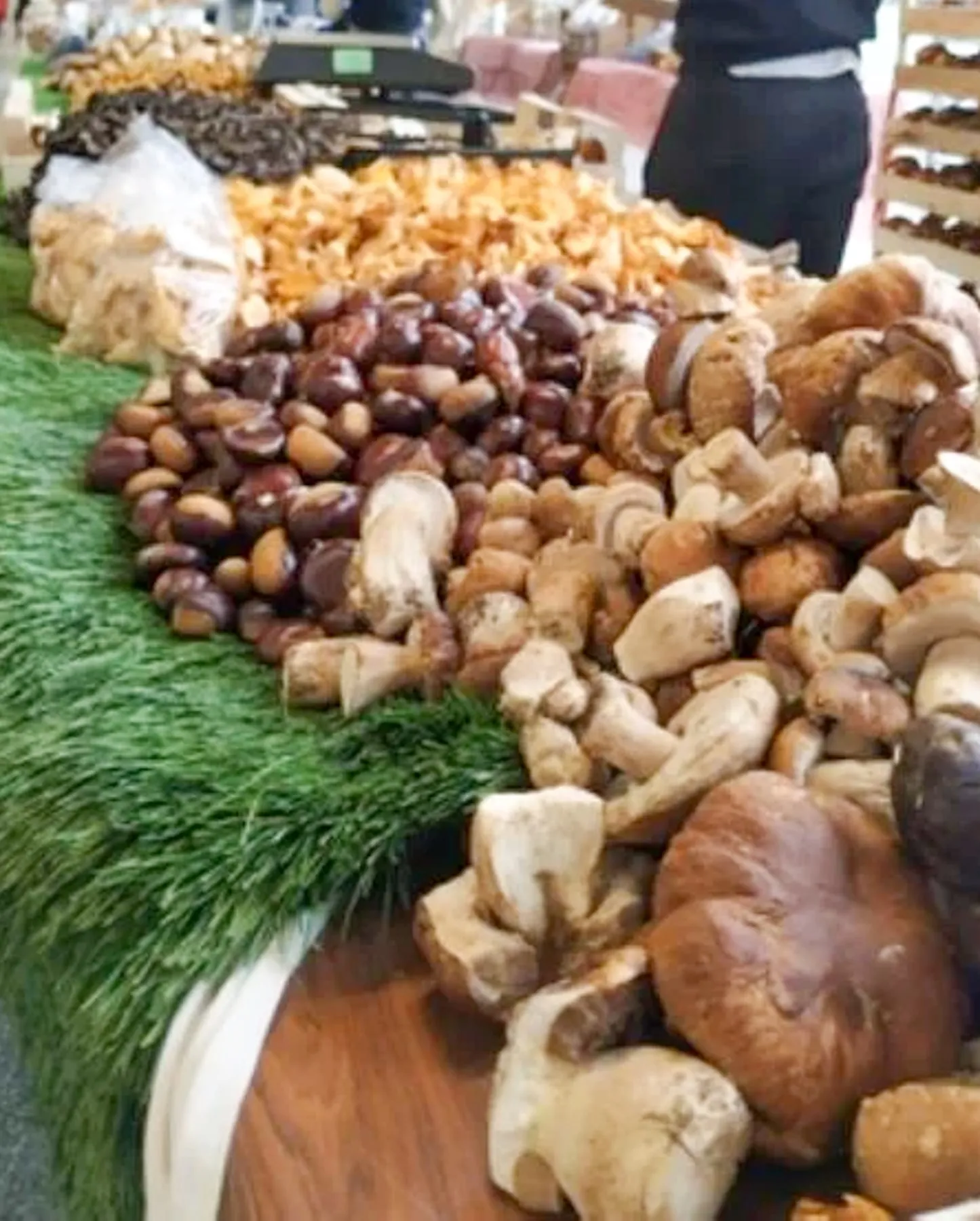
There’s a moment when autumn food stops being an idea and becomes a smell: mushrooms hitting a hot pan. You haven’t set the table yet, but lunch is already looking promising.
If you’re visiting San Sebastián between October and December, follow that smell. The chalkboard names may be unfamiliar — hongos, marmitako, alubias. Let me translate them as a chef from here, so you can choose a good meal and understand a little more of this place while you enjoy it.
Boletus edulis: give it room in the pan
The scientific name is Boletus edulis. Here you’ll hear hongos, meaning mushrooms; you may know them as porcini or ceps. Market names can include other boletes too, so it’s worth knowing what’s on the stall. When a good edulis arrives, lunch starts to arrange itself around it.
It has aroma, a meaty texture and enough character to take centre stage. Sautéed, served with egg or added to rice: a few things, done well. My vote goes to a pan with room for the mushroom. Pile it up and what you hoped to brown starts steaming in its own water. A shame, after the journey from the woods.
Rain and the year’s conditions shape the harvest. Enjoy good fresh stock when it’s available; Basque cooking has plenty of other ideas when it isn’t. Buy identified mushrooms from a knowledgeable supplier. The adventure can be in your lunch without starting with a wild-mushroom guessing game.
A small distinction: perretxikos belong to spring
Perretxiko usually means the St George’s mushroom, Calocybe gambosa, primarily a spring species. It isn’t the same as an autumn bolete. Both deserve a meal; each has its moment.
If a menu offers perretxikos in November, ask whether they’re fresh or preserved. Preserved mushrooms can be excellent. You’re finding out about your lunch, not setting the waiter an exam.
At the fish counter: the last albacore and a good hake
Bonito del Norte, or albacore tuna, is a summer favourite, but its usual fishing season runs from June to October. October may offer a final chance to enjoy it fresh: in marmitako, cooked with onions or grilled.
Marmitako is the fishermen’s tuna-and-potato stew: the spoon-friendly option. Grilling is the one that asks you to watch the cooking closely. Dry tuna would be a sad way to say goodbye to the season.
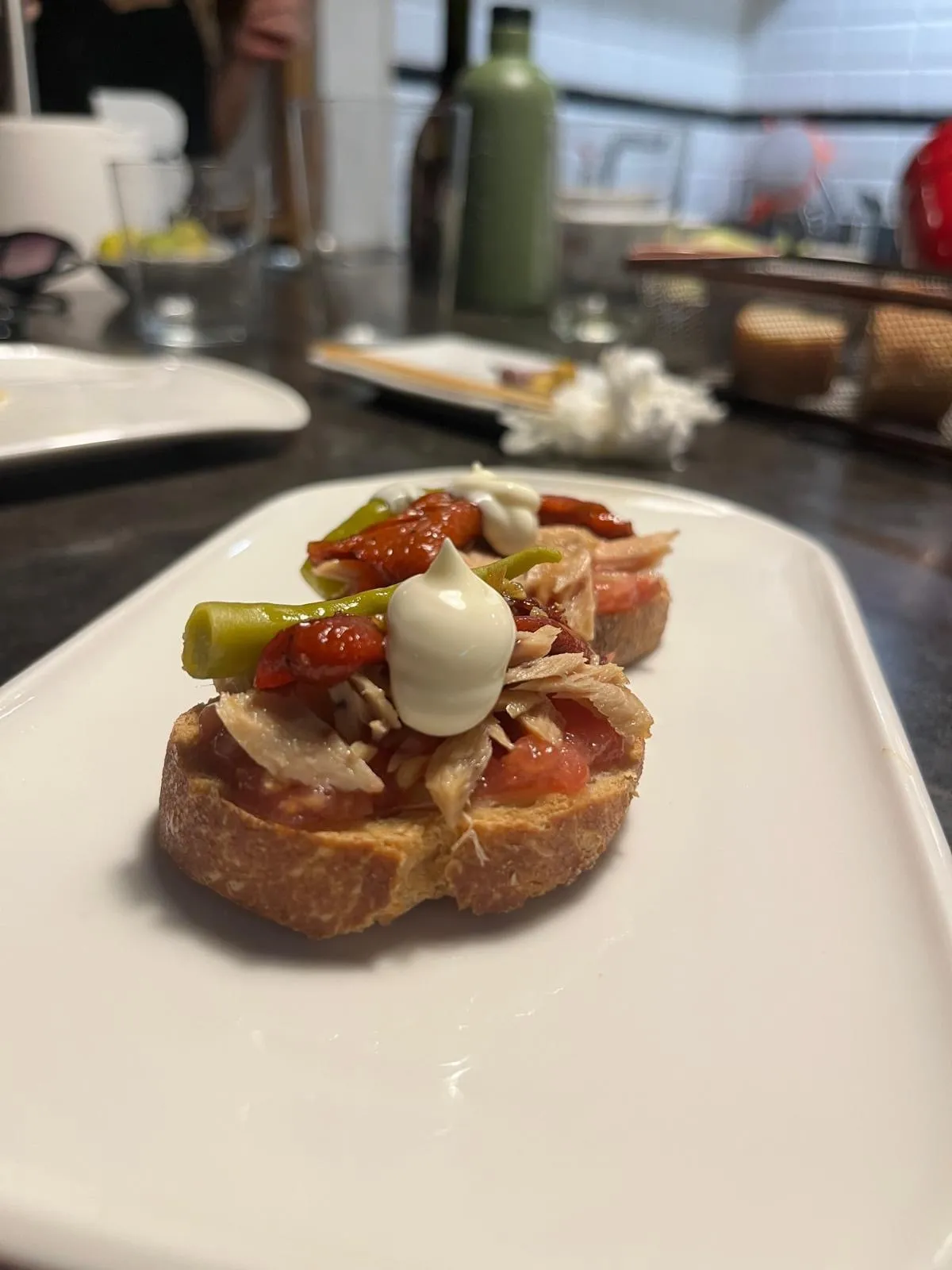
For November and December, I wouldn’t count on fresh local albacore. Preserved tuna has its own place: vegetables alongside it, good olive oil, lunch sorted.
Hake, a white fish at the heart of Basque cooking, is available throughout the year. It doesn’t need to become an “autumn fish” to make a lovely autumn lunch. In Basque salsa verde, parsley, garlic and the fish’s juices do much of the work. Cook it to the right point and let the fish do the talking.
At La Bretxa, San Sebastián’s food market, let the day’s arrivals shape the menu. The fish counter may improve the plan you had saved on your phone.
Shellfish: species, origin and season
You may hear a traditional piece of advice in Spain: eat shellfish in months whose names contain the letter “r”. That means September through April; May, June, July and August are left out. The pattern works with both Spanish and English month names. It is an easy way to remember the cooler months, but each species has its own calendar. Velvet swimming crab, lobster and spider crab have their own fishing seasons, depending on where they are caught and any closed periods when fishing is prohibited.
Look at the species and where it comes from. Being sold in Donostia doesn’t automatically make seafood a local Bay of Biscay catch. For fresh Galician spider crab in October, check the season’s opening before counting on it.
Then comes the cooking. There’s a lot to gain from getting it right and a lot to lose from going too far. The ingredient has already done an important part of the work.
Make room for the beans
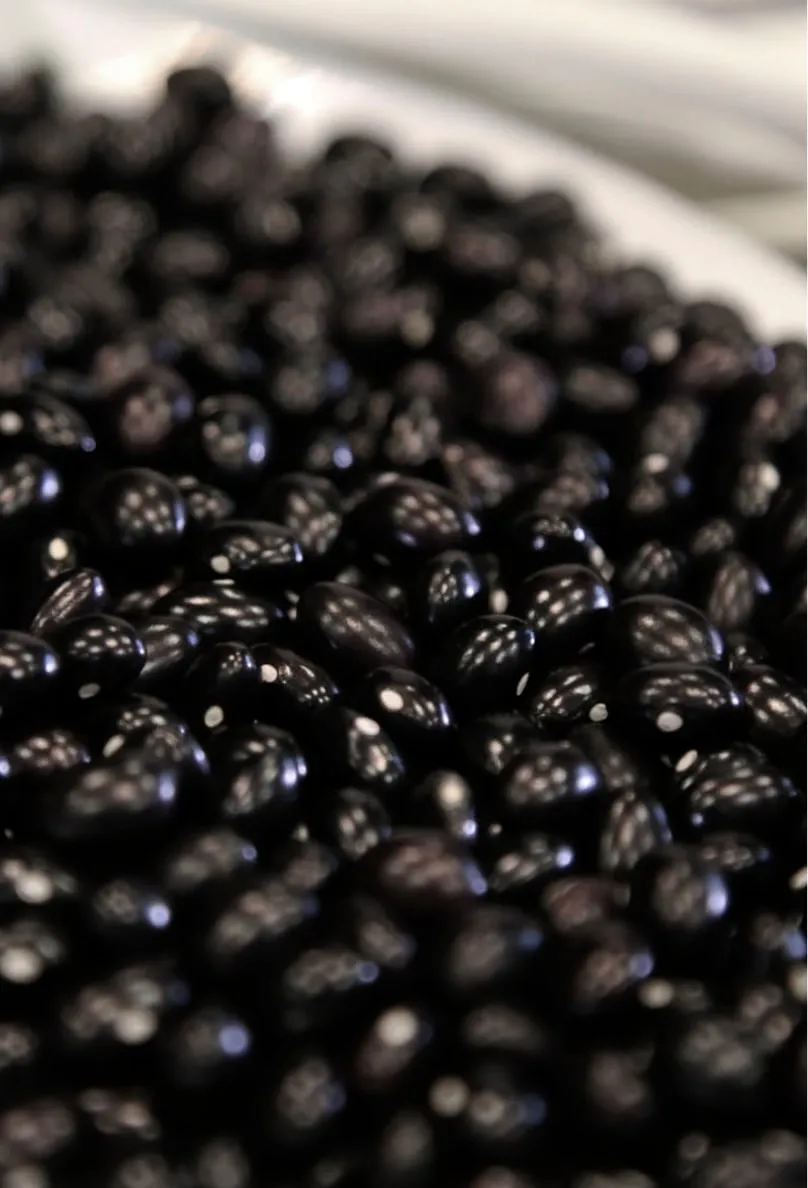
Between the woods and the sea, leave space for Tolosa beans, the almost-black beans named after a nearby town. They make a meal to settle into: a spoon, accompaniments and a conversation that lasts beyond the final mouthful.
Add vegetables, a good stock and time. Autumn lets you build a complete table without making every ingredient compete to be the main event.
From market to plate, with you in the kitchen
You can walk the stalls, photograph the mushrooms and have a lovely morning. Cooking what you’ve chosen adds something else: understanding why that fish, how to handle that mushroom and when to take the pan off the heat.
That’s my invitation in Buy & Cook. We explore La Bretxa together, I show you how I choose the produce, and we buy what we’ll cook. Then you put on an apron: you cook, I guide you, and we sit down to the dishes we’ve made with Spanish wines.
You don’t need to speak Basque or have cooked fish before. My job is to help you feel welcome, learn and take the recipes home. If you have a special restaurant dinner booked, this morning gives you something to bring to that table too: recognising the ingredients and understanding the cooking you’re tasting. If mushrooms or shellfish are your particular love, tell me when we plan your visit and we’ll see what the season offers.
Come hungry. Save the photographs until after lunch: mushrooms are better hot.